
New arrivals, rare releases, and SAKEZEN updates, delivered occasionally.

Denshin Natsu Nama Junmai Daiginjo
$45.00 USD
Same-day delivery
Shipping & Returns
Shipping
Orders are typically shipped within 2 business days after we receive your order. Orders received close to the weekend may ship the following Monday. Alcohol delivery requires an adult signature (21+) and is available only in eligible U.S. states. View shipping policy.
Returns
All sales are final once shipped. Damaged or incorrect items must be reported within 48 hours of delivery for replacement or refund assistance. View refund policy.
Tasting Notes
Denshin Natsu Nama Junmai Daiginjo opens with a delicate lily-of-the-valley aroma, followed by a clear, polished palate. Notes of ripe pineapple emerge through the finish, balancing gentle sweetness with fresh acidity and a clean, lightly dry impression. Rich yet transparent, this seasonal unpasteurized sake is best served well chilled at 5–10°C. Pair it with prosciutto, sliced ham, smoked mackerel, smoked oysters, Gouda, or Camembert.
Specifications
Overview
About the Brewery

Ippongi Kubohonten Co., Ltd.
株式会社 一本義久保本店
- Founded
- 1902
- Location
- Katsuyama, Fukui, Japan
Brewing philosophy
SAKEZEN
Brewery Signature
- Oku-Echizen
- transparent taste
- sharp finish
Transparent, dry-leaning and precise, with a notably clean after-finish.
SAKEZEN Team View is an editorial interpretation of official producer information, informed by our tasting perspective. Axis positions are qualitative, not laboratory measurements. Individual releases and personal impressions may vary.
Loading ...
The Essence of Fine Sake
Four dimensions that shape how sake is made, understood, and enjoyed.

Place & Provenance
Local water, rice, climate, and brewing traditions give each region its distinct character.
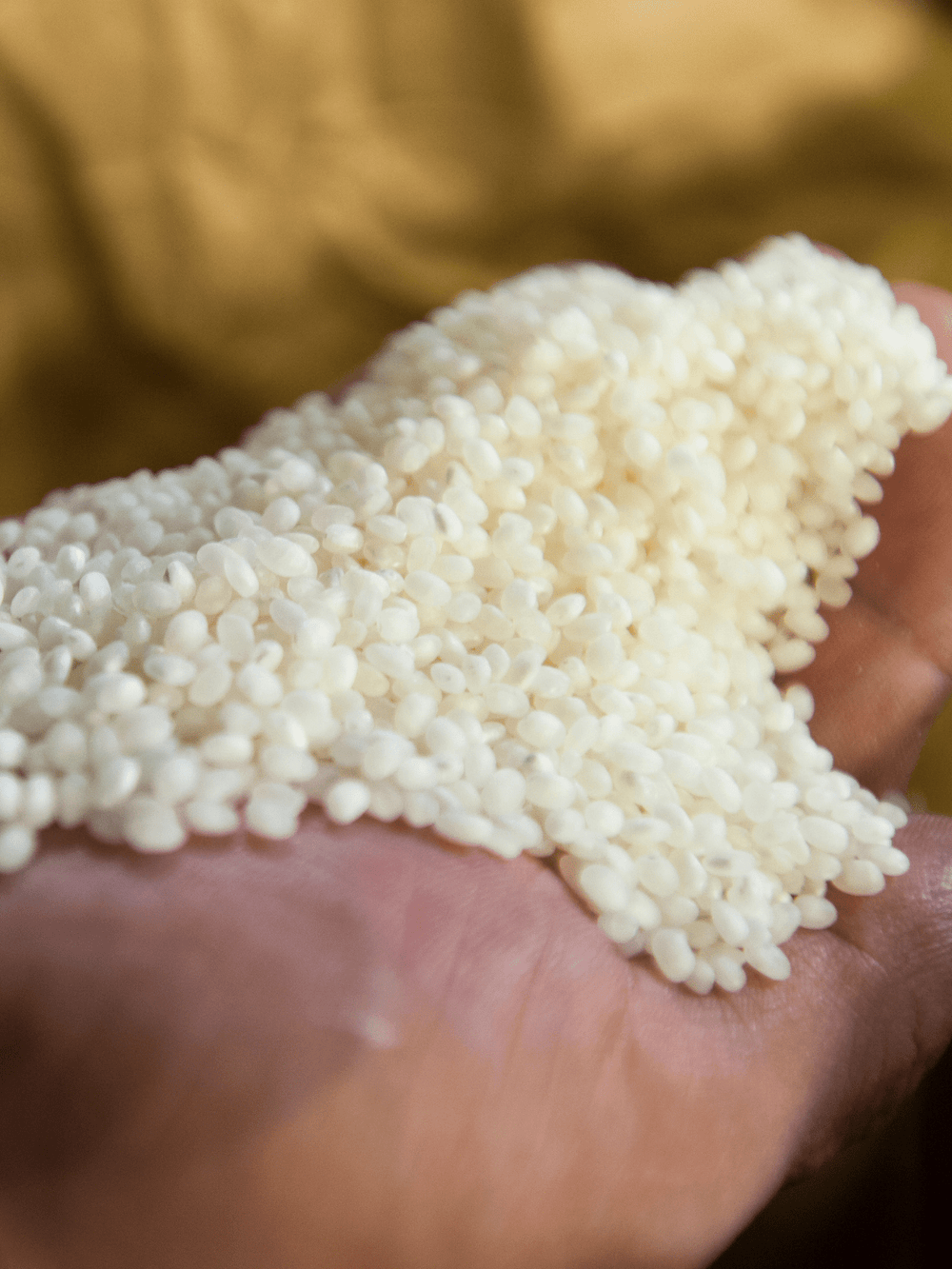
Rice Polishing
Polishing removes the grain’s outer layers, helping shape aroma, texture, and style.

Sake Designations
Junmai, Ginjo, Daiginjo, and other designations reflect ingredients, rice polishing, and brewing methods.
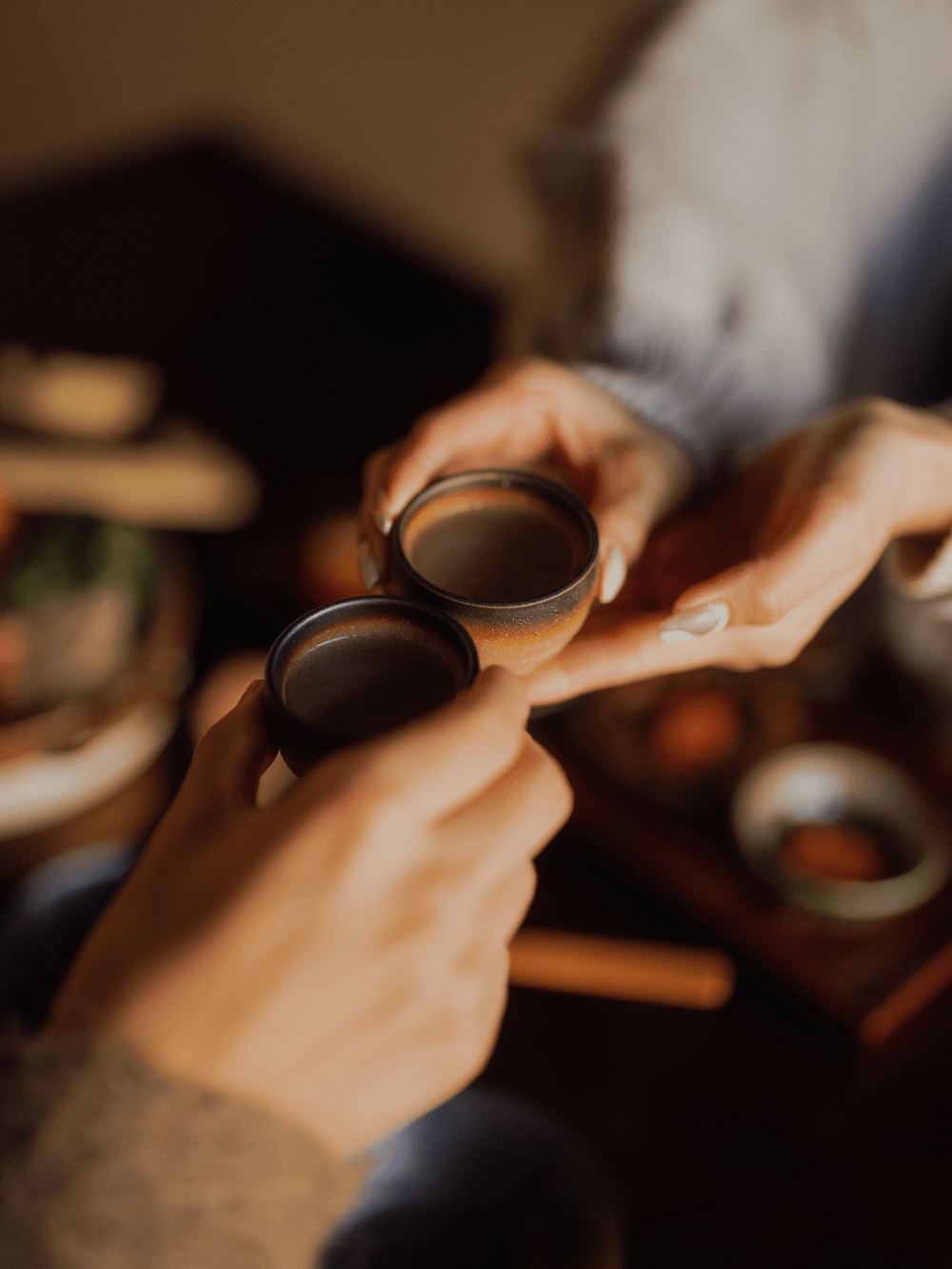
Versatile Enjoyment
Explore sake across temperatures, pairings, occasions, and seasons.
Loading ...
Loading ...