
New arrivals, rare releases, and SAKEZEN updates, delivered occasionally.

Mikotsuru Gohyakumangoku Junmai Ginjo
$39.00 USD
Same-day delivery
Shipping & Returns
Shipping
Orders are typically shipped within 2 business days after we receive your order. Orders received close to the weekend may ship the following Monday. Alcohol delivery requires an adult signature (21+) and is available only in eligible U.S. states. View shipping policy.
Returns
All sales are final once shipped. Damaged or incorrect items must be reported within 48 hours of delivery for replacement or refund assistance. View refund policy.
Explore the Same Brand:
Tasting Notes
Fresh apple and grape aromas lead into a light, crisp palate with a faint prickle and a distinctly dry finish. Serve chilled. Pair with white fish sashimi, grilled fish, or soba noodles.
Flavor Notes
- Apple
- Grape
Pairs With
- Soba
- White Fish Sashimi
- Grilled Fish
About This Sake
Specifications
- Rice Polishing
- 50%
- Alcohol (ABV)
- 16%
- Bottle Size
- 720 mL
- Region
- Shimosuwa, Nagano, Japan
- Class
- Junmai Ginjo
- Rice
- Gohyakumangoku from Aizu, Fukushima
- SMV
- +5
- Acidity
- 1.8
- Yeast
- Nagano C
- Aging
- 1 year
- Pasteurization
- In bottle (binkan hiire)
- Best Served
- Chilled
About the Brewery

Suwa Mikotsuru Shuzo
諏訪御湖鶴酒造場
- Founded
- 1912
- Location
- Shimosuwa, Nagano, Japan
Brewing philosophy
SAKEZEN
Brewery Signature
- Contract-grown rice
- Fermentation monitoring
- Rice variety comparisons
We like how Mikotsuru makes a question about rice easier to answer. When the brewers keep several cellar choices steady, comparing two pours becomes a way to notice what the rice itself may contribute. That is one of the most useful things precision can do for the person drinking the sake.
SAKEZEN Team View is an editorial interpretation of official producer information, informed by our tasting perspective. Axis positions are qualitative, not laboratory measurements. Individual releases and personal impressions may vary.
Loading ...
The Essence of Fine Sake
Four dimensions that shape how sake is made, understood, and enjoyed.

Place & Provenance
Local water, rice, climate, and brewing traditions give each region its distinct character.
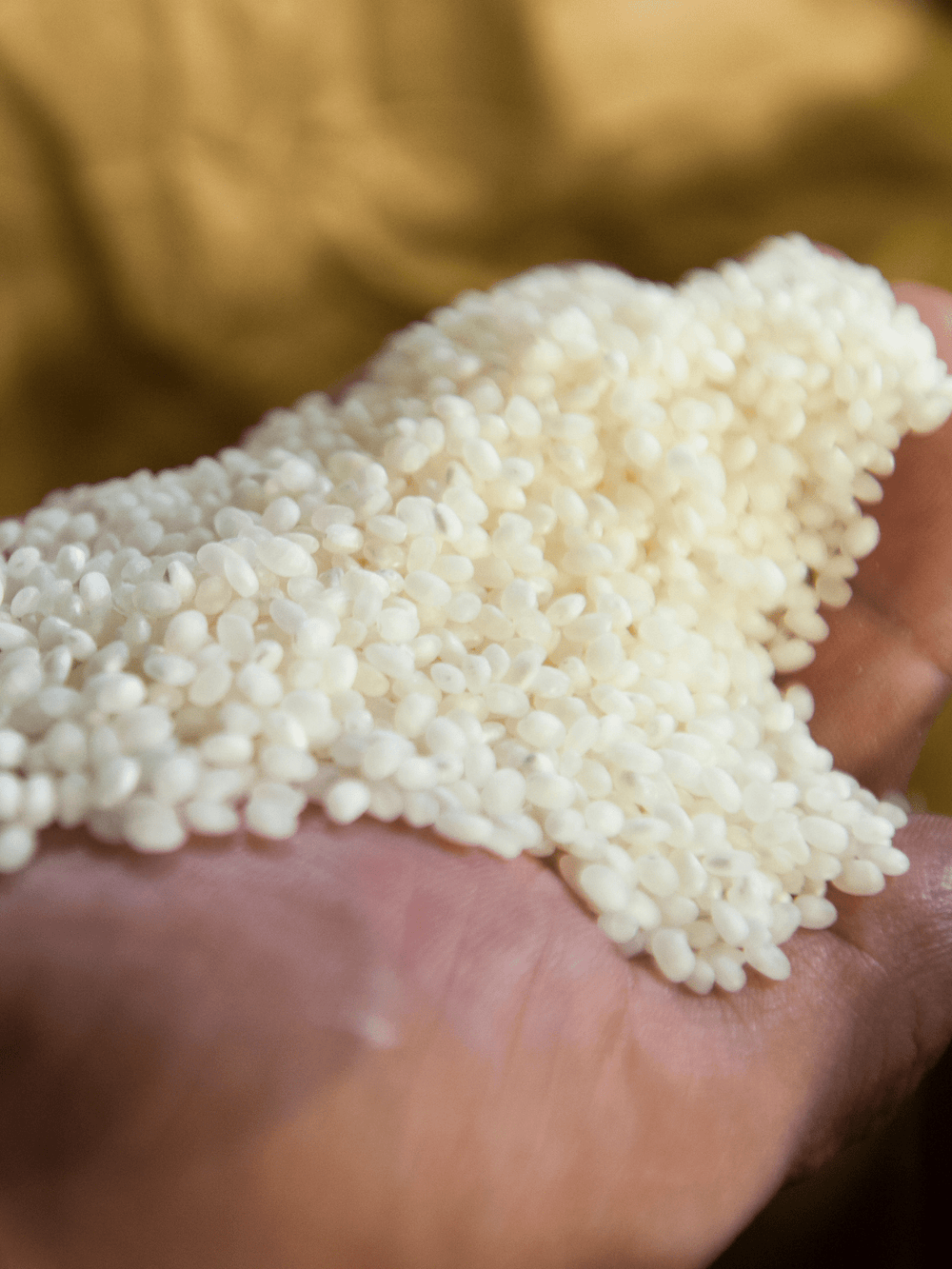
Rice Polishing
Polishing removes the grain’s outer layers, helping shape aroma, texture, and style.

Sake Designations
Junmai, Ginjo, Daiginjo, and other designations reflect ingredients, rice polishing, and brewing methods.
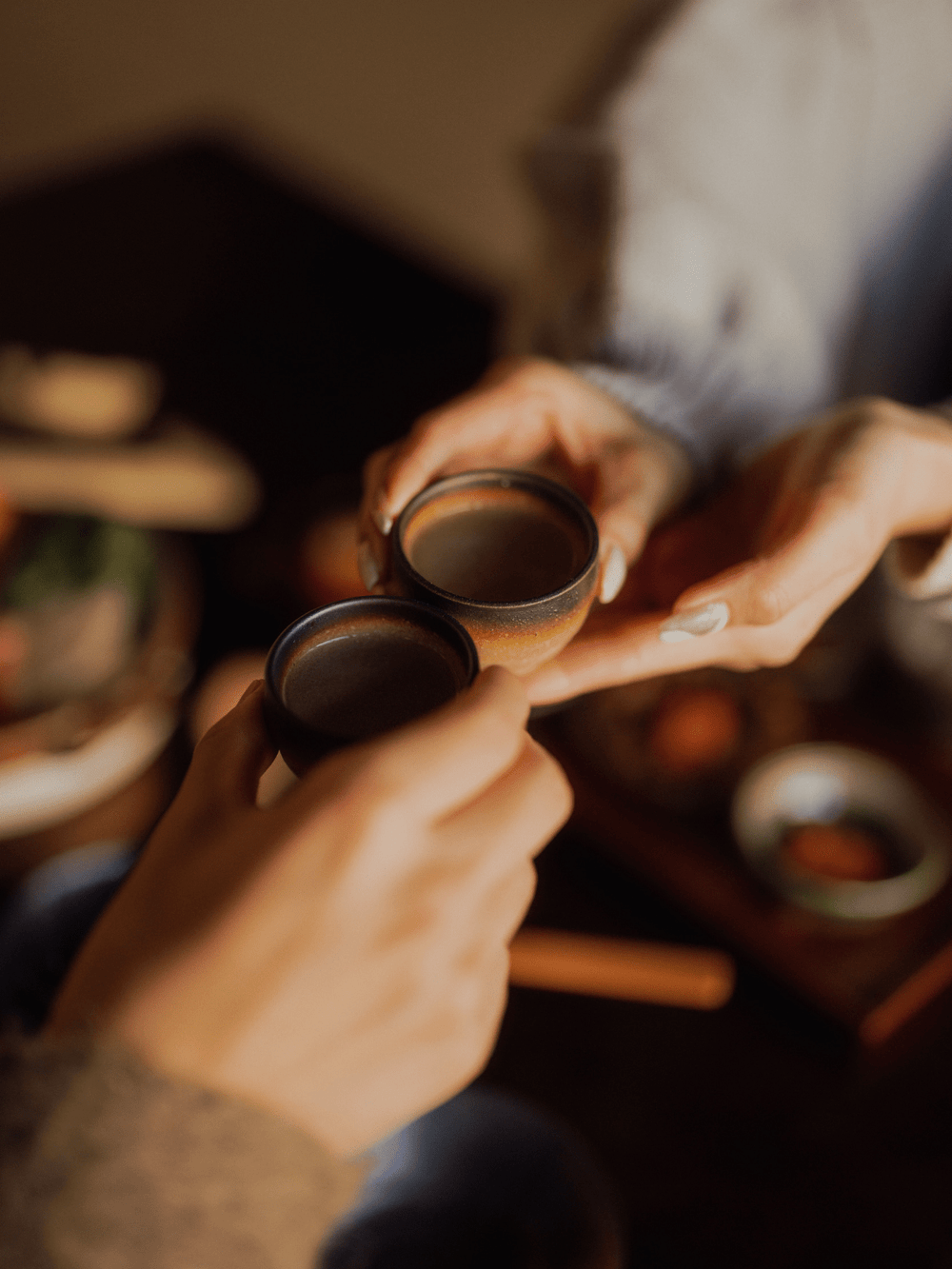
Versatile Enjoyment
Explore sake across temperatures, pairings, occasions, and seasons.
Loading ...
Loading ...